KALANCHOE PINNATA AS A MULTI-TARGET BOTANICAL AGENT IN ALZHEIMER'S DISEASE: A REVIEW OF NEUROPROTECTIVE MECHANISMS AND THERAPEUTIC POTENTIAL
Puneeth F. Kadakol*
ABSTRACT
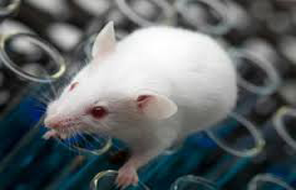
Alzheimer's disease (AD) is one of the most widespread and debilitating neurodegenerative diseases in the world today. It has been estimated that more than 58 million patients had AD in 2020, while the number would increase to about 152 million by 2050. However, although intensive studies on AD have been carried out for many decades, no pharmacological treatments are currently available to slow down disease progression, making the development of innovative approaches critical to improve the treatment of AD. Kalanchoe pinnata (Lam.) Pers., also known as Bryophyllum pinnatum, is a succulent medicinal herb widely spread throughout tropical and subtropical zones and extensively used for medicinal purposes in folk medicine in Africa, Asia, and America. The current review provides an up-to-date evaluation of scientific literature on the neuroprotective efficacy of K. pinnata in respect of pathomechanisms associated with Alzheimer’s disease. Particular attention is paid to its main active compounds, which include quercetin, kaempferol, bryotoxin B, and bufadienolides, demonstrating anti-AChE properties, anti-amyloidogenicity, prevention of tau hyperphosphorylation, neuroinflammation, and oxidative stress. Furthermore, network pharmacological studies have found a total of 449 shared target molecules between K. pinnata and Alzheimer’s disease, involving the PI3K-AKT pathway and MAPK pathway to some extent. Animal experiments have reported an improvement in cognitive behavior in scopolamine-induced amnesia model rats after administering extracts from K. pinnata. Therefore, K. pinnata is considered to be a potentially promising polypharmacological plant for treating AD patients. However, there is a need for further investigation of this matter in detail.
Keywords: Alzheimer’s disease; Kalanchoe pinnata; neuroprotection; quercetin; kaempferol; bufadienolides; network pharmacology; phytomedicine.
[Full Text Article]
[Download Certificate]
 SJIF Impact Factor: 8.158