A CONCEPTUAL STUDY OF ANNAVAHA SROTAS IN AYURVEDA
Dr. Yashpal Chaudhary*, Dr. Ashvini Kumar Trivedi
ABSTRACT
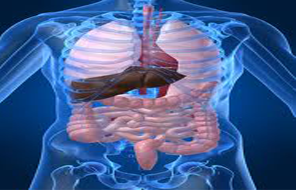
All body tissues, including ocular structures, depend on Annavaha Srotas (gastrointestinal channels) for nourishment and survival. Annavaha Sroatas are the Srotas, or conduits, that transport "Anna," or food. This is connected to the digestive, gastrointestinal, or alimentary tracts. Mukha, gala, vamaparshwa (annanalika), amashaya, laghuantra, and Guda are all included in Charak Annavaha Srotas. Because they both convey food, the oesophagus (food pipe) and the majority of the small intestine should also be covered by Aamashaya. The channels in the body that carry food and water are called AnnaVaha Srotas. These porous passageways, also known as srotamsi, allow waste products like carbon dioxide to be released and nutrients and oxygen to be absorbed. Therefore, the body's srotamsi, or channels, function as roads or highways that carry blood and sensory data, absorb nutrients, and eliminate waste. Every srotas has a srotomukha (mouth or opening), a srotomarga (passage), and a srotomula (root). Indigestion, also known as Agnimandya, can result from malfunctioning Annavaha srotas organs such as Amashaya (stomach), Antra (intestine), and Grahani. Annavaha srotas Damage leads to digestive disorders and systemic issues.
Keywords: Annavaha Srotas, gastrointestinal channels, agni, Agnimandya.
[Full Text Article]
[Download Certificate]
 SJIF Impact Factor: 8.158