CRITICAL REVIEW ON POLYCYSTIC OVARIAN DISORDER AND THE THERAPEUTIC POTENTIAL OF LASHUNADI VATI IN AYURVEDA
*Dr. Archana Madhavrao Nikumbh, Dr. Anupama Santosh Patil
ABSTRACT
Polycystic ovarian disorder (PCOD) is one of the most common endocrine disorders affecting women of
reproductive age worldwide. The increasing prevalence of PCOD is strongly associated with sedentary lifestyle,
unhealthy dietary habits, stress, and metabolic disturbances, which classify it as a modern lifestyle disorder.[1-3]
PCOD is characterized by hyperandrogenism, menstrual irregularities, anovulation, and polycystic ovarian
morphology, leading to infertility and metabolic complications. Ayurveda does not describe PCOD as a separate
disease entity, but its clinical features resemble conditions such as Artava Kshaya, Arajaska, Pushpaghni
Jataharini.[4-6] The Ayurvedic pathogenesis mainly involves Kapha-Vata Dushti, Agnimandya, Medo-dushti and
Strotorodh affecting Artavavaha Strotas and Rasavaha Strotas. Management focuses on correcting lifestyle factors,
enhancing metabolism, and restoring hormonal balance through herbal formulations and Panchakarma therapies. In
modern medicine, hormonal therapy is the primary treatment option for this condition. In Ayurveda, however,
several Agneya dravyas are used in the management of Artava relate diseases as Acharya Sushrut told the
Sanshodhan as a treatment, as these drugs enhance and stimulate the production of Artava. The therapeutic efficacy
of Rason (Garlic) has been elaborately described by Maharshi Kashyapa in the Rason Kalpa Adhyaya of
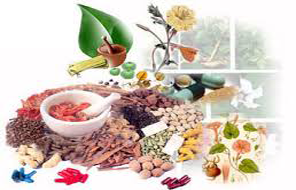
Kalpasthana in the Kashyapa Samhita. Lashunadi Vati, containing Rason (Allium sativum) and other Deepana-
Pachana herbs, is traditionally indicated for Kapha-Vata disorders and metabolic dysfunction. Its pharmacological
properties such as anti-inflammatory, hypolipidemic, and insulin-sensitizing effects make it a promising therapeutic
option in PCOD.[7-10] This review highlights PCOD as a lifestyle disorder and evaluates the potential role of
Lashunadi Vati in its management through Ayurvedic and modern perspectives.
Keywords: PCOD, Lifestyle Disorder, Ayurveda, Lashunadi Vati, Artav Dushti, Metabolic Syndrome.
[Full Text Article]
[Download Certificate]
 SJIF Impact Factor: 8.158