SAFETY PROFILE AND ANALGESIC EFFICACY OF CURCUMIN, BOSWELLIA SERRATA EXTRACT, AND THEIR COMBINATION IN RAT MODELS
Aditya Gupta, Dr. Shilpi Sharma*
ABSTRACT
Pain management remains a critical challenge, particularly in inflammatory conditions, where conventional
nonsteroidal anti-inflammatory drugs (NSAIDs) are limited by gastrointestinal, cardiovascular, and renal toxicities.
This study evaluated the safety profile and analgesic efficacy of curcumin (≥95% purity), Boswellia serrata extract
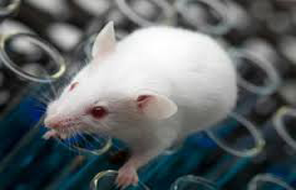
(65% boswellic acids), and their combination in adult male Wistar rats. Acute oral toxicity was assessed in
accordance with OECD Guideline 423 at doses up to 2000 mg/kg body weight for individual extracts and 1000 +
1000 mg/kg for the combination. No mortality, clinical signs of toxicity, body weight changes, or gross necropsy
abnormalities were observed over 14 days, indicating LD₅ ₀ > 2000 mg/kg and GHS Category 5 classification.
Analgesic activity was examined using the hot plate test (central nociception) and acetic acid-induced writhing test
(peripheral visceral pain). In the hot plate test, treatments prolonged reaction latencies in a dose-dependent manner,
with peak effects at 90 min. The combination (200 + 200 mg/kg) achieved a maximum possible effect (MPE) of
52%, approaching that of diclofenac (60%), and showed significant synergy relative to single agents (p < 0.05). In
the writhing test, the high-dose combination reduced writhes by 63.6%, approaching diclofenac's 67.3% inhibition,
with enhanced efficacy attributable to complementary inhibition of the COX-2 and 5-LOX pathways. These results
demonstrate the low acute toxicity and potent, synergistic analgesic effects of curcumin and Boswellia serrata
extract, supporting their potential as safe, natural alternatives for managing inflammatory and nociceptive pain.
Keywords: Curcumin, Boswellia serrata, Analgesic efficacy, Synergistic effect, Acute oral toxicity.
[Full Text Article]
[Download Certificate]
 SJIF Impact Factor: 8.158