FROM COSMETIC STAIN TO CLINICAL SIGNAL: CAN HENNA APPLICATION SERVE AS SURROGATE MARKERS OF HEPATIC DAMAGE
Metilda Stella Rani G.*, Durga Sri R., Mythili S.
ABSTRACT
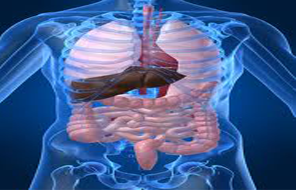
Yellowing skin might point to serious health issues in grown-ups. High levels of bilirubin - either bound or unbound - in the blood bring this on. Looking into it begins with listening to the person's story and checking their body. Lab work kicks off with split bilirubin measures, red and white cell counts, liver enzymes like ALT and AST, plus markers such as ALP and GGT. Clotting time tests, including INR, show up too. Protein levels and albumin round out the basic panel. Seeing inside the body using ultrasound or CT scans helps tell apart blockages outside the liver from problems within the liver tissue itself. Ultrasound tends to be easier on the patient and costs less than other scanning methods. Further checks might involve looking for tumors, examining bile ducts, testing for immune-related markers, or taking a small piece of liver for analysis. When too much bilirubin builds up without being processed, it often comes from red blood cells breaking down faster than normal - seen in conditions like hemolysis - or when the liver fails to attach molecules properly, as happens in Gilbert disease. Processed bilirubin rising in levels usually signals harm to liver cells themselves, including those damaged by viruses or alcohol, along with cases where bile flow gets stuck due to gallstones or growths blocking tubes. Dark henna stains might link to bilirubin levels in adults with jaundice - this idea guided our research. New progress in early warning signs for jaundice fills the pages here.
Keywords: Lawsonia Inermis Linn (henna), susceptibility biomarker, Jaundice (liver damage).
[Full Text Article]
[Download Certificate]
 SJIF Impact Factor: 8.158