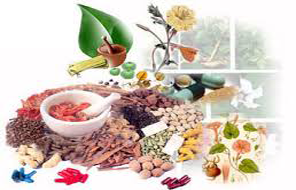
EXPLORING THE POTENTIAL OF CULINARY, NUTRACEUTICAL, AND PHARMACOLOGICAL APPROACHES AS ADJUNCT THERAPY IN THE PREVENTION OF DIABETES MELLITUS A REVIEW
Gauri D. Paithankar*, Vikram S. Sarukh, Nikita B. Shejwal, Sakshi B. Gaikwad, Pooja B. Lasure, Ramdas
Darade
ABSTRACT
Diabetes mellitus (DM) is a major global health challenge, with rising prevalence and limitations in current
therapeutic options. Conventional medications, though effective, are often associated with side effects, high costs,
and limited accessibility, necessitating safer adjunctive strategies. Emerging evidence highlights the potential of
culinary practices, nutraceuticals, and pharmacological approaches in preventing and managing diabetes. Plantderived
bioactive compounds and functional foods have shown promise in regulating glucose metabolism,
enhancing insulin sensitivity, and reducing oxidative stress. This review discusses the synergistic role of these
adjunctive interventions in diabetes prevention, emphasizing their significance in promoting holistic and
sustainable healthcare solution This review provides a complete overview of both traditional and modern medicinal
plants with verified antidiabetic activities. Key botanicals include Moringa oleifera, Trigonella foenumgraecum
(fenugreek), Momordica charantia (bitter gourd), Syzygium cumini (jamun), Azadirachta indicia (neem), Ocimum
sanctum (holy basil), Nigella sativa (black seed), and Gymnema sylvestre. Recent studies suggest pancreatic β-cell
regeneration, improved glucose absorption through GLUT4, inhibition of α-amylase and αglucosidase, regulation
of PPAR-γ pathways, and lipid-lowering effects. This herbal approach confirms the value of including
nutraceuticals into standard diabetic management, particularly in resource-constrained and rural settings. It
encourages a transition from symptomatic therapy to preventive, personalised, and patient-friendly interventions.
The combination of traditional plant knowledge and modern pharmacological research shows enormous promise
for generating safer, more cost-effective, and long term diabetes prevention measures. The potential of several
important medicinal plants used to make nutraceuticals for the treatment of diabetes mellitus is updated in this
article, along with a suggestion of their biological mechanisms. By using natural bioactive ingredients to regulate
blood glucose levels, plant-based nutraceuticals provide a promising new herbal approach to the effective control
and treatment of diabetes mellitus.
Keywords: Diabetes mellitus, Herbal Neutraceutical, Global health, blood glucose control, Natural therapy, medicinal plants.
[Full Text Article]
[Download Certificate]
 SJIF Impact Factor: 8.158